
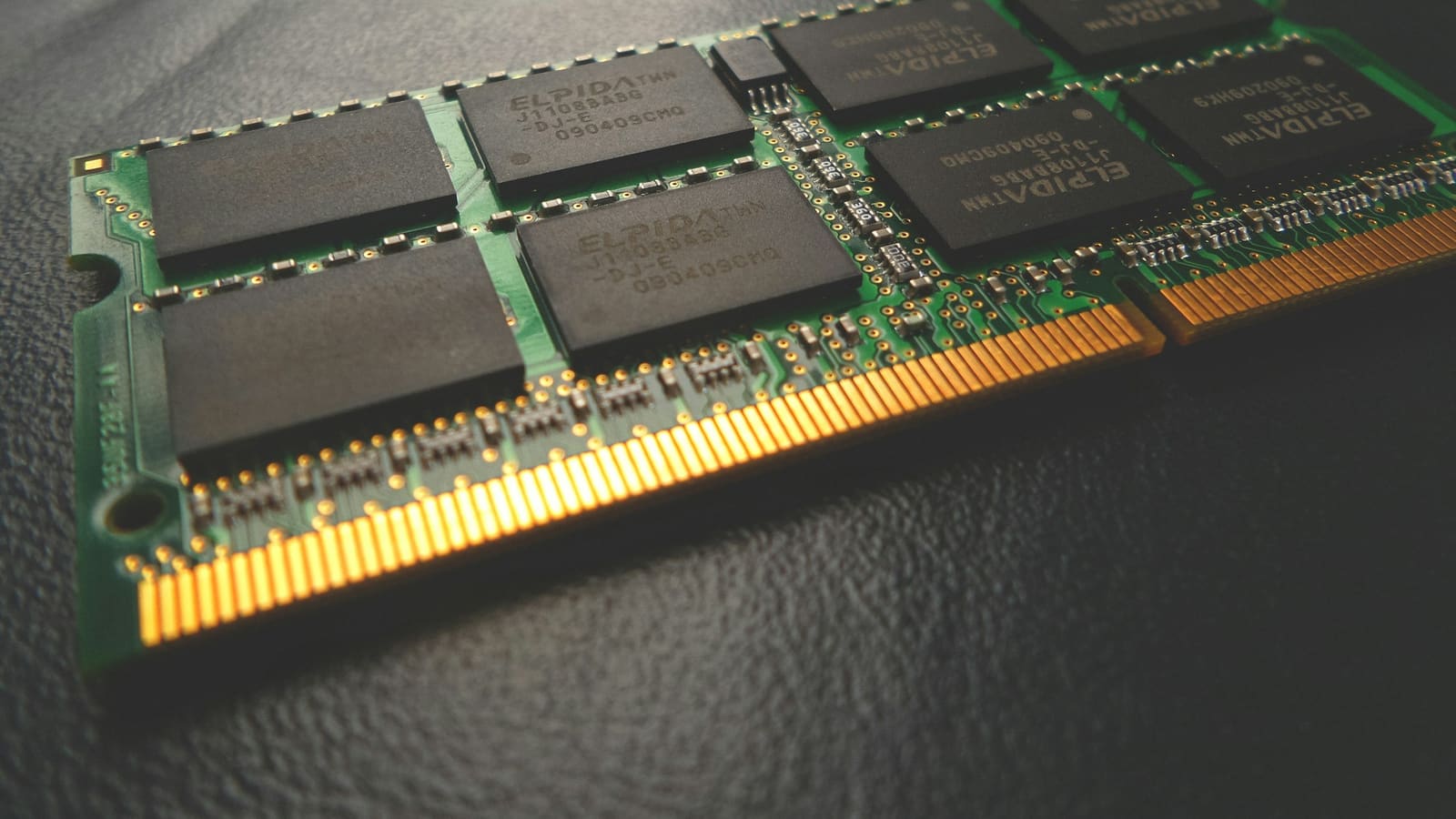
We have not tested these products. This comparison is reasoned from manufacturer specifications, documentation and warranty terms. How we test
On this page
Memory is unusual: having too little does not produce an error, it produces a machine that feels wrong. That makes it the component people most often diagnose incorrectly.
The three answers
Sixteen gigabytes. Enough for games with nothing else open. In practice it means closing the browser before playing, and it is the level at which a modern machine starts feeling constrained rather than fast.
Thirty-two gigabytes. The comfortable answer for a machine built now. Games, a browser with a lot open, a chat application and a recording tool coexist without you thinking about it — see our roundup of the best RAM for gaming for kits at that capacity.
Sixty-four gigabytes and beyond. A workload decision. Virtual machines, large video projects, big datasets. If you need it, you already know.
Capacity is not the only decision
Buy it as two matched sticks rather than four, so the platform runs in the arrangement it is designed for and you keep two slots free — check how many slots your board actually has in our motherboard buying guide. Then enable the memory profile in firmware, or you will be running at the conservative standard speed regardless of what the package says.
The kit also has to suit the board it goes into, so our picks for gaming motherboards are worth reading alongside this.
How we reached this
These figures come from the memory footprints of current operating systems and applications and from how virtual memory behaves when physical memory is exhausted. No measurement campaign was run here, and the evidence note at the top of the page says so.
Free tool PC Build Compatibility Checker — Will your GPU, PSU, cooler and case actually fit together?Questions people ask
Is sixteen gigabytes still enough?
For games alone, on a machine with nothing else running, yes for now. In practice nobody plays with nothing else running: a browser with a guide open, a chat application, a launcher and a recording tool are all normal, and together they take a meaningful share of sixteen gigabytes before the game starts. Sixteen is the point where you begin closing things before you play, and thirty-two is the point where you stop thinking about it.
What actually happens when you run out?
The system starts moving memory it thinks you are not using out to your drive, and retrieving it when you turn out to need it. Even on a fast solid-state drive that round trip is enormously slower than memory, so the symptom is not an error message: it is stutter, long pauses when switching between applications, and a machine that feels sluggish in a way no monitoring graph obviously explains. This is why memory shortage is so often misdiagnosed as a slow processor.
Should I add a second kit later?
It is possible and it is the least reliable way to buy memory. Modules from different kits are not validated to run together, even when the specification printed on them matches, and mixed kits commonly fail to reach their rated speed or refuse to run stably at all. If you might want more later, buy the capacity you want now as a single matched kit of two sticks, which also leaves you two empty slots if you do decide to gamble.